Foundation raising in Chesterfield MO - a house held steady on steel piers
Sticking doors, cracked walls or a sloping floor? We set steel piers under your foundation to hold the house steady or lift it back.
What is foundation raising, and does my house need it?
Foundation raising in Chesterfield means attaching steel piers to your existing foundation, either to keep the house from settling any further or to lift it back close to where it was built.
Most of the houses we look at aren't falling down. A corner has dropped, a door sticks and a crack keeps coming back after you patch it. The price depends on how many piers the house needs, which kind, how deep they go before they hit firm ground, whether we're lifting or only holding, and whether we dig outside or work through a floor inside. The schedule mostly turns on weather for the digging and on whether an engineer has already looked at the house, and your written estimate spells out what's in the price and what isn't. If it's only the driveway that sank, that's not a foundation problem, and a new concrete driveway is the honest fix.
How can you tell your foundation is settling?
Most people call us because something inside the house changed, not because they saw the foundation move. These are the signs we hear about most, and what each one usually means.
Doors that used to close fine now stick or drift open, which usually means the frame has shifted.
Cracks in the brick or block that step up like a staircase usually follow one corner dropping.
A floor you can feel sloping underfoot, or a marble that rolls to one wall, points to uneven settling.
Drywall cracks that run off the corners of doors and windows often mean the walls are moving.
Gaps opening up where the wall meets the ceiling or trim usually mean one part of the house has dropped.
A foundation crack that's wider this year than last means the settling is still going on.
If a crack keeps getting wider or doors get worse from one month to the next, call us at (636) 237-0079 instead of waiting to see what it does.
What happens when you call us about foundation raising in Chesterfield?
I handle the visit and the estimate myself, and a small crew I work alongside does the digging and the pier work. Here's how a foundation job usually runs from the first call.
Call us or send the form
Tell us what you're noticing and how long it's been going on. If an engineer has already looked at the house, mention it, because I'll work from that report.
I look at the house
I come out, walk the outside and the rooms where things have shifted, and ask how you use the space. We talk through whether your house needs lifting or just holding where it is, and I'll tell you straight if it isn't worth doing.
Get a written estimate
It lists the pier type, roughly how many and where they go, and what's in the price and what isn't. Things like drywall patching or a section of floor we have to cut out are called out in plain words, so nothing surprises you later.
We set piers, then walk through
Once you say go, we pick dates the weather agrees with, and the crew digs, sets the piers and backfills with me working alongside. Then we walk the house with you, try the doors and windows, and go over what to watch for that first season.
Get a written estimate for lifting or holding your house
We reply within one business day to set a time, then I come out, look at the house and you get a free written estimate. There's no pressure and no obligation.
- Call
- (636) 237-0079
- Hours
- Mon–Fri: 8 AM–11 PM, Sat–Sun: 7 AM–11 PM
Steel piers, how we reach them and why depth matters
Every pier is steel, and its whole job is to carry the house down past the soft, shifting soil to ground that holds. That's the part you'll never see, and it's where people want to save money first, with fewer piers or a shallower setting. I won't cut that corner. A pier that stops short lets the house settle again, and then you've paid twice.
To reach the foundation from outside, we dig down to the footing, the wide base your wall sits on, either a pit at each pier or a trench along the wall. Piers set inside mean taking out a square of floor at each spot, and clean concrete cutting leaves straight edges so the patch sits flat afterward.
Before the dirt goes back, it's worth sealing cracks that opened while the house settled and making sure the drain tile, the perforated pipe that carries water away from the footing, still runs clear. Then we backfill, patch any floor we cut and clean up, so the yard looks like a yard again and not a job site.
Foundation raising questions from Chesterfield homeowners
What is the best way to decide whether to lift my house or just stabilize it?
Decide based on whether you need the house back near level or just need it to stop settling, and how much patching inside you're willing to take on. Lifting can bring floors and doors back closer to where they started, but it might also open new cracks in drywall and plaster, while stabilizing holds the house where it sits now. One homeowner guide suggests asking every contractor which one they're proposing and what it could do inside, and I'll answer both before you sign anything.
Should my house get push piers or helical piers?
Heavier houses with firm soil or bedrock within reach usually suit push piers, and lighter houses, porches and additions usually suit helical piers. A push pier is steel pipe driven down in sections to a layer that can carry the load, using the weight of the house to push against. A helical pier has screw-like plates and gets turned into the ground until it reaches a set turning force, called torque, which shows the soil will hold.
Can we stay in our house while the foundation is being raised?
Usually, yes. One helical pier maker's manual says its piles go in with portable equipment, even in tight spaces inside, and without vibration, so by that account a household can keep using the home with little inconvenience. Expect digging and some noise outside, and a closed-off work area inside if any piers go there.
How much does foundation raising cost near St. Louis?
Raising a house in the St. Louis area usually costs about $10,000 to $50,000 per project, for a home of 1,000 to 2,000 square feet. That's the going rate for raising a whole house, not our price, and some jobs only need piers along one wall or under one corner. For your own number, our written estimate lists the piers, the digging and what's in and out of the price, and the work is satisfaction guaranteed.
Do I need a structural engineer before hiring a foundation repair contractor?
It's a smart step, because a licensed structural engineer or geotechnical engineer, the kind who studies soil, gives you an independent evaluation and, when it's needed, a repair design. Engineers don't sell repairs, so their report is a fair check on any contractor's proposal, ours included. We're fully licensed and insured, and if you have a report, bring it and we'll build the estimate from it.
How do I get my house ready for foundation piers in Chesterfield?
Clear a path along the walls where we'll dig, and move anything stored near the spots inside where piers might go. Before any digging starts, buried utility lines get marked with paint or flags through 811, the call-before-you-dig number, so keep those marks in place until the work is done.
Concrete work that often comes with foundation repair
Concrete cutting
Sometimes a slab or wall needs an opening or a section taken out, and a saw cut removes it instead of breaking up the concrete around it.
Concrete driveway building
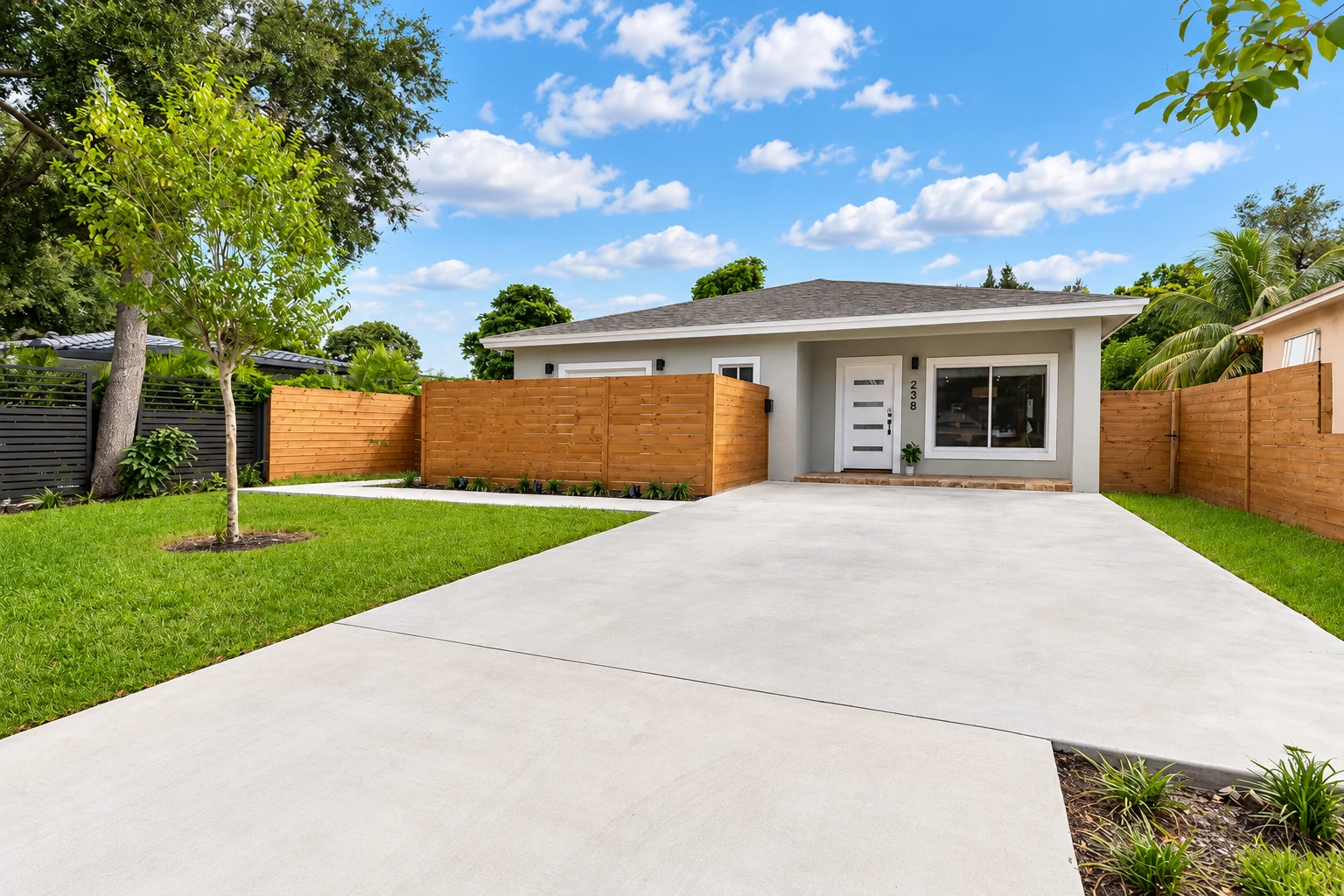
Digging along the walls for piers can mean breaking out part of an old driveway, and that's a good time to replace it on a properly packed base.
Get your settling foundation looked at
Call (636) 237-0079 or send the form, and tell us whether you're hoping to lift the house or just hold it, so I come out ready to talk about the right piers.
Mon–Fri: 8 AM–11 PM, Sat–Sun: 7 AM–11 PM